Mimosa Tree Removal in Duluth, MN
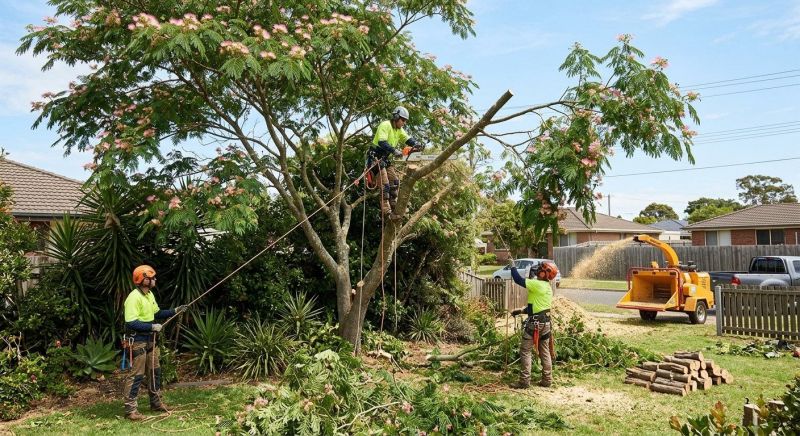
Mimosa tree removal services involve the careful and efficient removal of mature mimosa trees that may pose safety concerns, obstruct views, or interfere with property development. These projects typically include the complete removal of the tree, including the trunk, branches, and root system, to prevent regrowth or damage to surrounding structures. Property owners often request this service when a mimosa tree has become diseased, is structurally compromised, or is simply no longer desired on the landscape.
Before requesting mimosa tree removal, property owners should consider factors such as the size and location of the tree, proximity to structures or power lines, and any local regulations regarding tree removal. Understanding these details can help determine the scope of the project and ensure proper planning. It is also helpful to inquire about the disposal or recycling of the removed tree material and any potential impact on the surrounding landscape during the removal process.
Many property owners in Duluth, MN look into Mimosa Tree Removal for repairs, replacements, upgrades, and appearance-related improvements.
Reasons For Mimosa Tree Removal
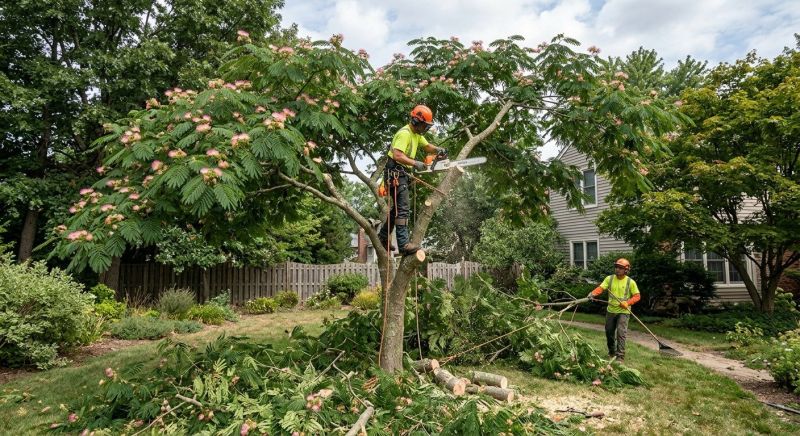
Mimosa trees may need removal due to disease, damage, or to prevent overgrowth in duluth properties.
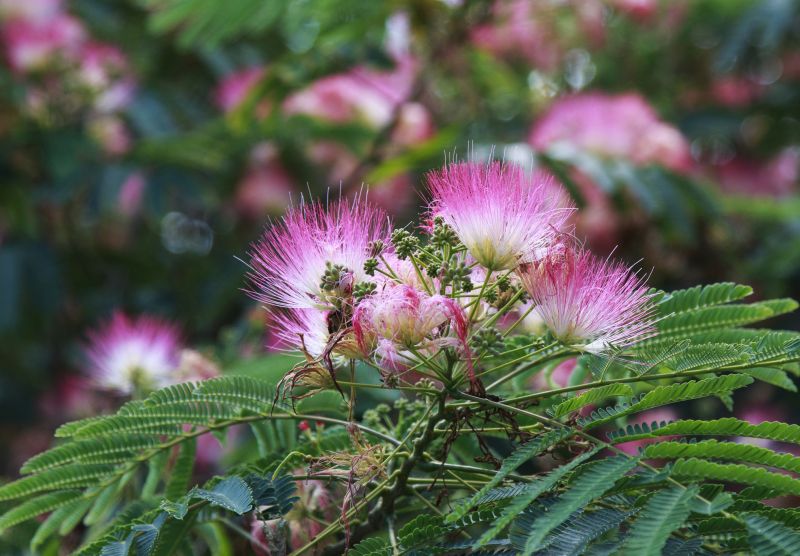
Signs A Mimosa Tree Needs Removal
Indications include dead branches, structural instability, or invasive root systems affecting nearby structures.
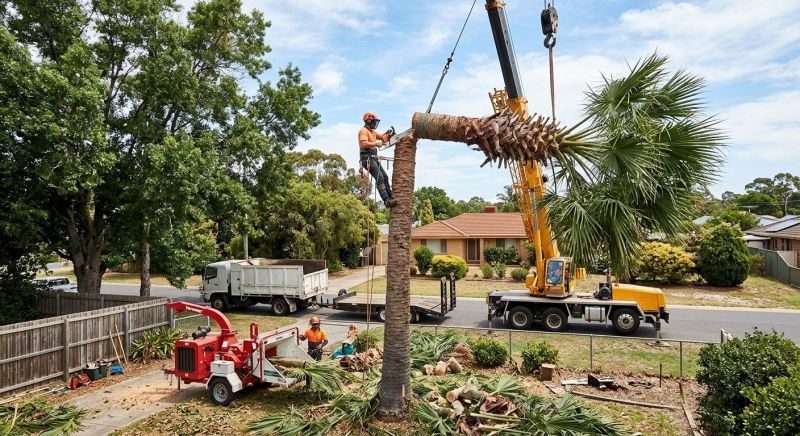
Benefits Of Proper Tree Removal
Removing a mimosa tree can improve safety, enhance landscape health, and prevent potential property damage.
Mimosa Tree Removal in Duluth, MN
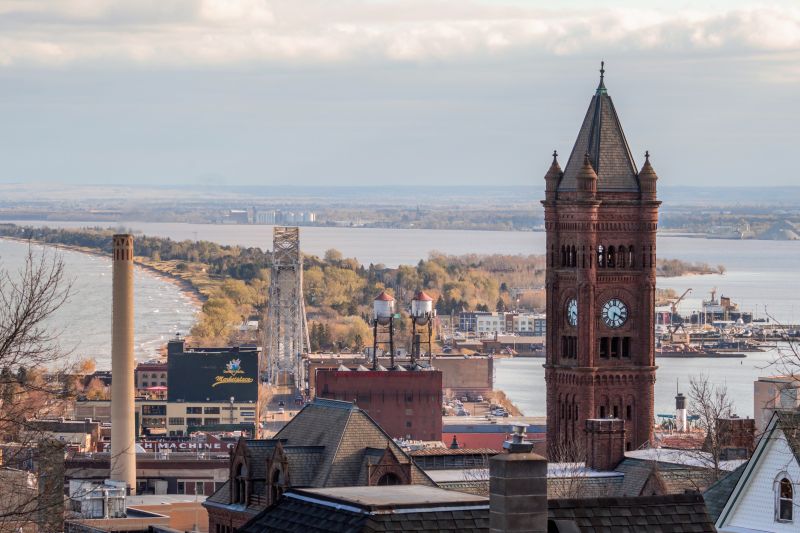
Mimosa tree removal services involve the careful and efficient removal of mature mimosa trees that may pose safety concerns, obstruct views, or interfere with property development. These projects typically include the complete removal of the tree, including the trunk, branches, and root system, to prevent regrowth or damage to surrounding structures. Property owners often request this service when a mimosa tree has become diseased, is structurally compromised, or is simply no longer desired on the landscape.
Before requesting mimosa tree removal, property owners should consider factors such as the size and location of the tree, proximity to structures or power lines, and any local regulations regarding tree removal. Understanding these details can help determine the scope of the project and ensure proper planning. It is also helpful to inquire about the disposal or recycling of the removed tree material and any potential impact on the surrounding landscape during the removal process.
Many property owners in Duluth, MN look into Mimosa Tree Removal for repairs, replacements, upgrades, and appearance-related improvements.
Common Mimosa Tree Removal Jobs
Mimosa Tree Removal - removal services for invasive or overgrown mimosa trees to improve property safety.
Stump Grinding - complete stump removal to prevent regrowth and enhance yard aesthetics.
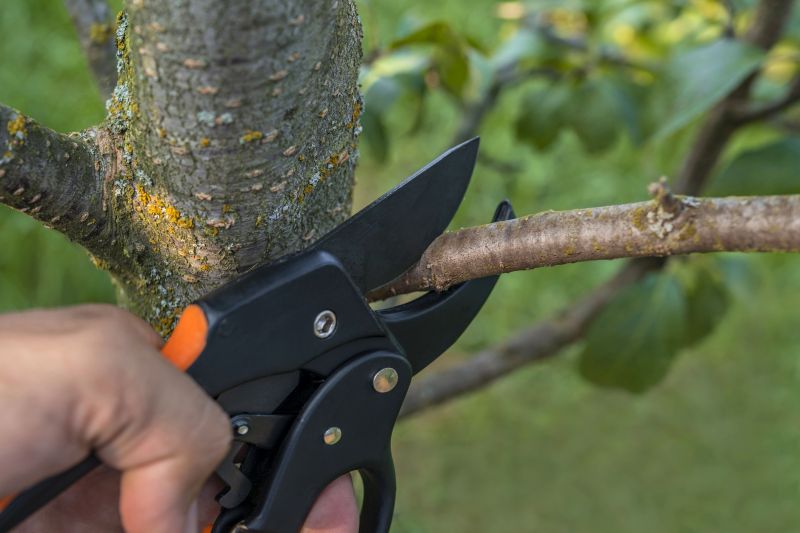
Selective Tree Cutting - targeted trimming to reduce tree height or remove hazardous branches.
Full Tree Removal - complete removal of damaged or dead mimosa trees to protect nearby structures.
Emergency Tree Services - prompt assistance for fallen or unstable mimosa trees after storms.
Tree Health Assessment - evaluation of mimosa trees to determine if removal is necessary for safety.
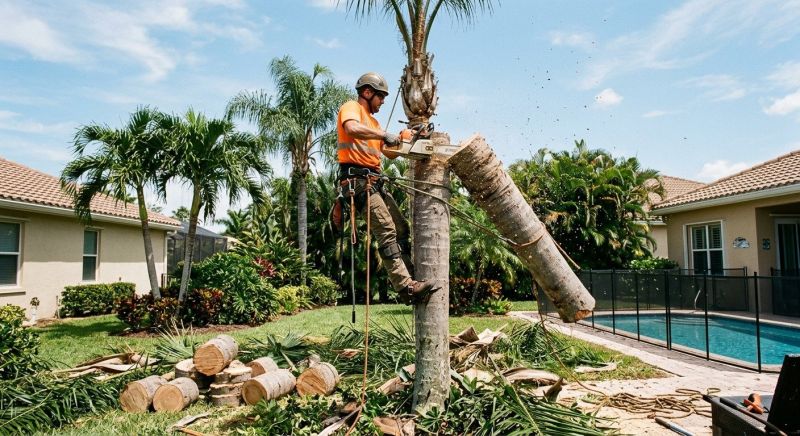
Mimosa Tree Removal Questions
Why remove a Mimosa Tree? Removal may be necessary if the tree is diseased, damaged, or poses a safety risk to property or people.
When is the best time to remove a Mimosa Tree? The optimal time for removal is during dormancy, typically late fall or winter, to minimize impact on surrounding landscaping.
What are common reasons for removing a Mimosa Tree? Common reasons include overgrowth, root issues, or the tree interfering with structures or utility lines.
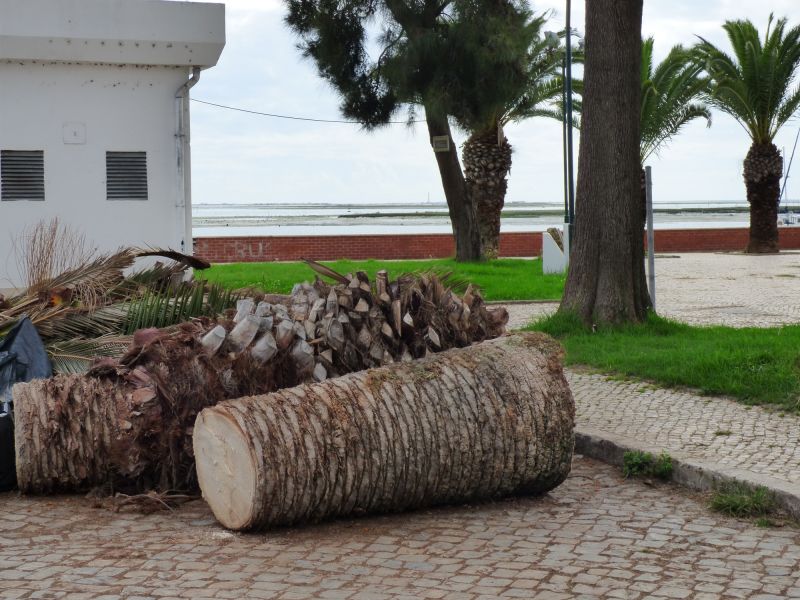
How is a Mimosa Tree typically removed? Removal involves cutting down the tree and safely managing the stump and roots to prevent regrowth or damage.
Request Mimosa Tree Removal in Duluth, MN
Use the quote form on this page to share the basics of your project and request more information for the type of work you need.