Dead Tree Removal in Allentown, PA
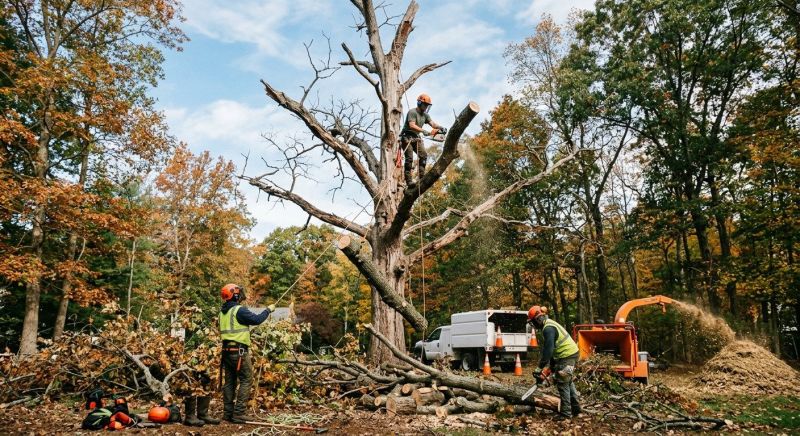
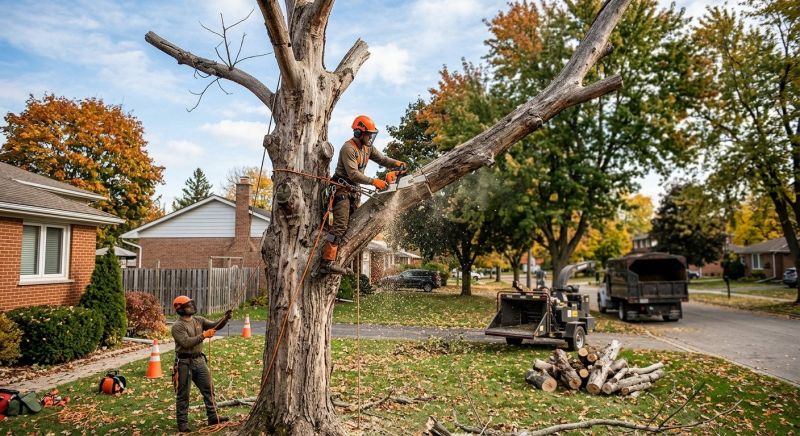
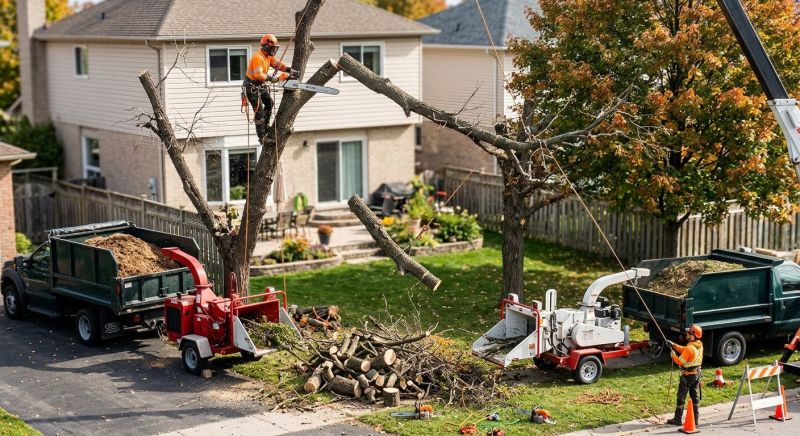
Dead tree removal services involve the safe and efficient removal of trees that are dead, dying, or pose a risk to nearby structures and landscape. This type of project typically includes assessing the tree’s condition, planning the safest approach for removal, and properly disposing of the debris. Homeowners often request this service when a tree shows signs of decay, has become unstable, or has been damaged by storms, creating concerns about falling branches or the potential for property damage.
Before requesting dead tree removal, property owners should consider the location of the tree, its size, and any nearby structures, power lines, or other landscape features. Understanding the extent of the work needed and any potential challenges helps ensure proper planning. It is also helpful to know if the tree is on a slope or in a tight space, as these factors can influence the removal process. Contacting a professional for an assessment can provide clarity on the scope and safety considerations of the project.
Many property owners in Allentown, PA look into Dead Tree Removal for repairs, replacements, upgrades, and appearance-related improvements.
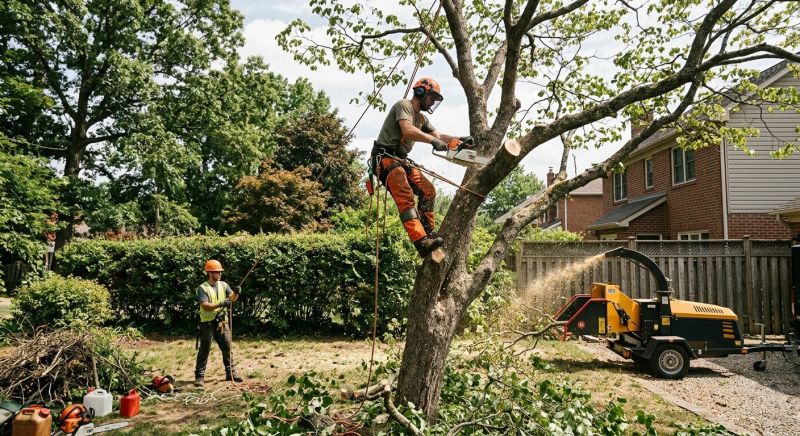
Dead Tree Removal Services
Examples of dead tree removal work property owners may explore in allentown, pa.
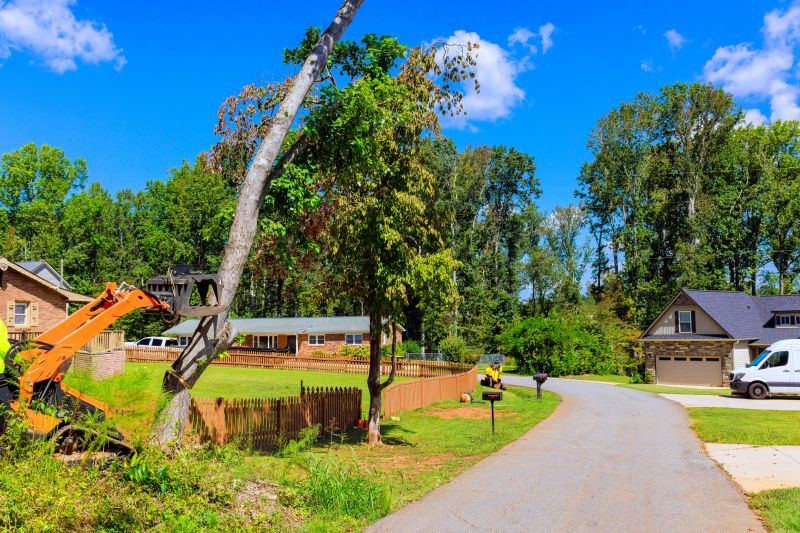
Dead Tree Removal Updates
Common ways people refresh, improve, or restore dead tree removal features in allentown, pa.
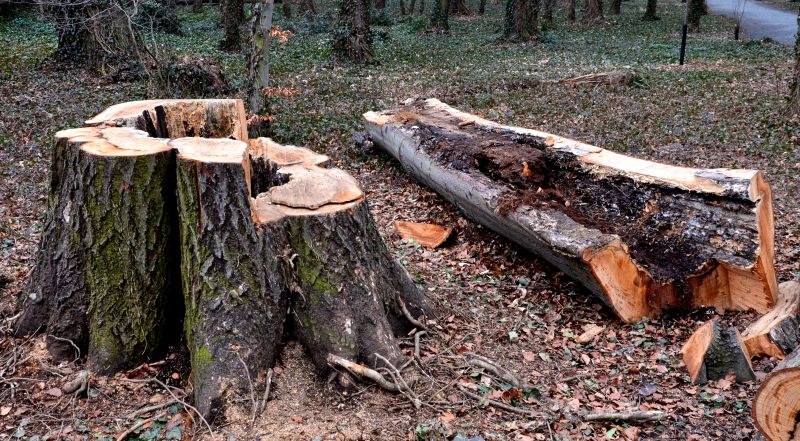
Dead Tree Removal Options
Different styles, layouts, and finishes people consider for dead tree removal in allentown, pa.
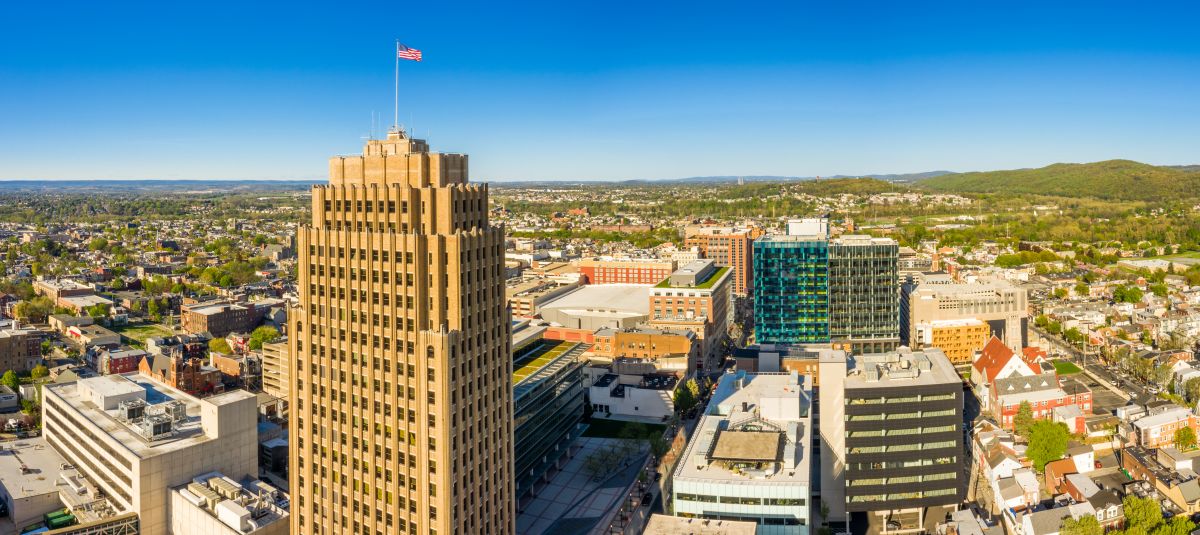
Dead Tree Removal in Allentown, PA
Dead tree removal services involve the safe and efficient removal of trees that are dead, dying, or pose a risk to nearby structures and landscape. This type of project typically includes assessing the tree’s condition, planning the safest approach for removal, and properly disposing of the debris. Homeowners often request this service when a tree shows signs of decay, has become unstable, or has been damaged by storms, creating concerns about falling branches or the potential for property damage.
Before requesting dead tree removal, property owners should consider the location of the tree, its size, and any nearby structures, power lines, or other landscape features. Understanding the extent of the work needed and any potential challenges helps ensure proper planning. It is also helpful to know if the tree is on a slope or in a tight space, as these factors can influence the removal process. Contacting a professional for an assessment can provide clarity on the scope and safety considerations of the project.
Many property owners in Allentown, PA look into Dead Tree Removal for repairs, replacements, upgrades, and appearance-related improvements.
Common Dead Tree Removal Jobs
Dead Tree Removal - safely removes hazardous or decayed trees to protect property and landscape.
Stump Grinding - eliminates leftover stumps to improve yard safety and appearance.
Emergency Dead Tree Clearing - addresses urgent tree hazards after storms or severe weather.
Selective Tree Removal - removes specific dead or diseased branches to maintain tree health.
Complete Tree Removal - removes entire dead or dying trees that pose a risk to structures or people.
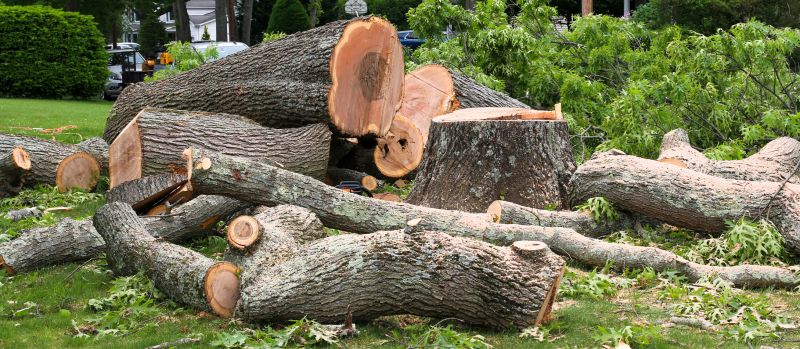
Property Clean-up - clears away debris and ensures the yard is safe and tidy after removal.
Dead Tree Removal Questions
Why remove a dead tree? Removing a dead tree helps prevent potential hazards like falling branches or the tree toppling, which can cause property damage or injury.
What signs indicate a tree is dead? Signs include lack of leaves during the growing season, brittle or cracked branches, and visible decay or fungi at the base.
Is dead tree removal safe for nearby plants? Proper removal techniques minimize impact on surrounding vegetation and landscape features.
What equipment is used for dead tree removal? Heavy-duty tools like cranes, chainsaws, and rigging equipment are typically used to safely remove dead trees.
Request Dead Tree Removal in Allentown, PA
Use the quote form on this page to share the basics of your project and request more information for the type of work you need.